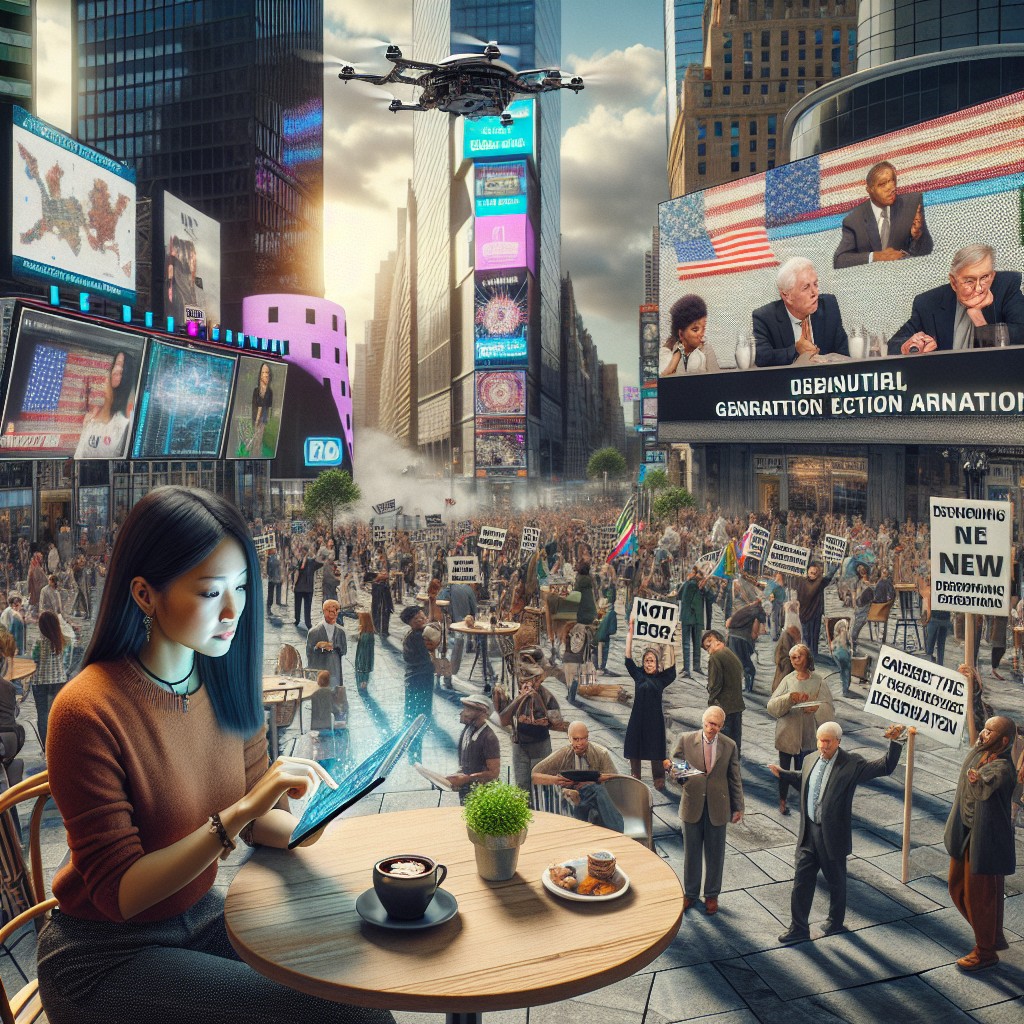
As countries around the world prepare for elections in 2026, concerns over election integrity continue to dominate discussions. The spread of misinformation has become increasingly sophisticated, presenting new challenges for governments, election officials, and independent observers in maintaining the fairness and transparency of electoral processes abroad.
Emergence of Deepfake Technology in Election Interference
One of the most notable developments in misinformation tactics is the use of deepfake technology. Deepfakes allow the creation of highly realistic yet fabricated audio and video content that can be used to discredit candidates, manipulate public opinion, or sow discord among voters. Several countries preparing for elections in 2026 have reported incidents where deepfakes were deployed to spread false narratives, complicating efforts to safeguard election integrity.
Social Media Platforms Under Increased Scrutiny
Social media remains a primary vector for misinformation, with platforms continuously adjusting their policies in response to evolving tactics. In 2026, many governments have increased collaboration with technology companies to identify and mitigate false information related to elections. Despite these efforts, bad actors employ more nuanced strategies, such as coordinated inauthentic behavior and microtargeted misinformation campaigns, which are harder to detect and counter, thus posing significant risks to election integrity.
Foreign Influence and Information Operations
Foreign governments and non-state actors continue to engage in information operations to influence elections abroad. These operations often involve spreading divisive content and amplifying existing social tensions. Recent intelligence reports reveal increased investment in these efforts to undermine confidence in democratic institutions. The evolution of these tactics underscores the need for international cooperation to uphold election integrity and reduce vulnerabilities.
Improved Detection and Fact-Checking Mechanisms
In response to the growing challenge of misinformation, electoral bodies and civil society organizations have enhanced detection tools and fact-checking initiatives. Advanced algorithms and artificial intelligence assist in monitoring content spreads in real time. Educational campaigns aimed at increasing public awareness about misleading information have also been intensified. These measures contribute to strengthening resilience against misinformation and bolstering election integrity.
Legislative and Regulatory Responses Worldwide
Several countries are revising legislation to address emerging threats to their electoral systems. New regulations focus on transparency in political advertising, accountability for online platforms, and penalties for deliberate misinformation. While these laws vary in scope and enforcement, they represent a global acknowledgment of misinformation’s impact on election integrity and the necessity of legal frameworks to counteract it effectively.
In 2026, as misinformation tactics continue to evolve abroad, maintaining election integrity remains a critical priority. The interplay of technological advances, regulatory efforts, and international cooperation will shape the capacity to protect electoral processes. Continuous adaptation and vigilance are essential to ensure that elections remain free, fair, and credible despite the challenges posed by increasingly sophisticated misinformation strategies.
Frequently Asked Questions about election integrity
What is election integrity and why is it important?
Election integrity refers to the accuracy, fairness, and transparency of election processes. It is crucial because it ensures that election results genuinely reflect the will of the voters and maintain public trust in democratic institutions.
How has misinformation affected election integrity abroad in recent years?
Misinformation has undermined election integrity by spreading false information about candidates, voting procedures, and election outcomes. This has led to confusion, diminished trust in results, and in some cases, social unrest in various countries.
What technologies are currently used to combat misinformation and protect election integrity?
Technologies such as artificial intelligence, machine learning algorithms, and deepfake detection tools are employed to identify and counter false information. Additionally, online fact-checking platforms contribute to maintaining election integrity by verifying content shared during election periods.
What role do social media companies play in preserving election integrity?
Social media companies have a responsibility to monitor and curb the spread of misinformation on their platforms. By implementing policies against fake news and disinformation and collaborating with election authorities, they help protect election integrity.
How can the public contribute to safeguarding election integrity against misinformation?
The public can contribute by critically evaluating information sources, verifying facts before sharing content, and staying informed about official election guidelines. Public awareness is vital to diminishing the impact of misinformation on election integrity.