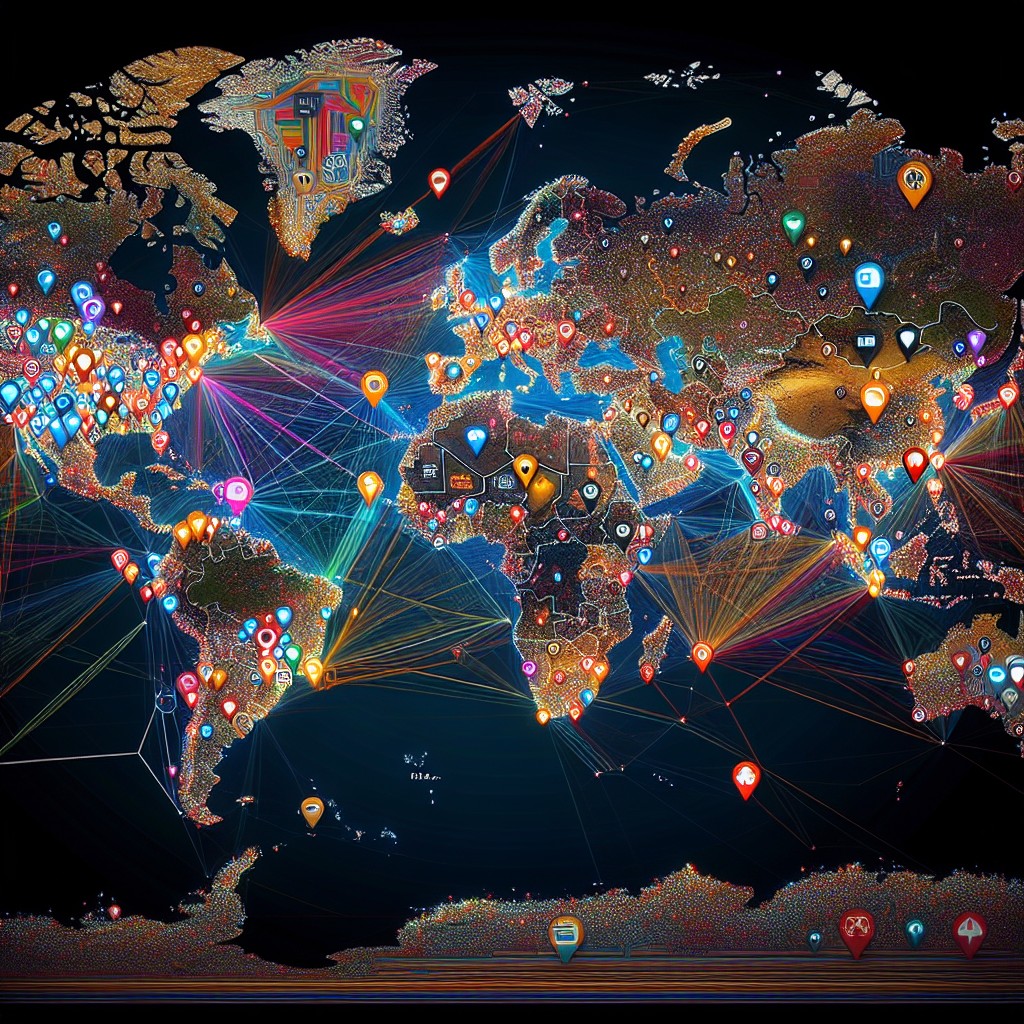
In an increasingly interconnected world, geopolitical hotspots remain critical points that have the potential to influence global stability significantly. Monitoring these areas offers essential insights into future international relations, security concerns, and economic impacts.
Eastern Europe’s Ongoing Tensions
Eastern Europe continues to be a focal point of geopolitical concern, especially following persistent conflicts and power struggles. The region’s complex history and strategic importance have maintained its status as a significant geopolitical hotspot. The tensions between NATO countries and Russia, highlighted by territorial disputes and military build-ups, not only affect local populations but also reverberate across international diplomatic channels. The stability of this region is pivotal for broader European security architecture.
South China Sea Disputes
The South China Sea remains one of the most contested areas worldwide due to competing territorial claims involving several Southeast Asian nations and China. With vital maritime routes and rich natural resources, control over this area carries economic and military significance. Recent escalations in naval patrols and island-building initiatives underscore the intensifying struggle for dominance. The South China Sea continues to be a crucial geopolitical hotspot with implications for international maritime law and regional power balances.
Middle East Dynamics and Regional Power Shifts
The Middle East retains its position as a geopolitical hotspot amid ongoing conflicts, shifting alliances, and resource management challenges. Issues such as the Syrian civil war’s aftermath, Iran’s regional influence, and the delicate balance between Gulf States contribute to the area’s unpredictability. The involvement of global powers in diplomatic and military roles adds layers of complexity, making regional stability a priority for international security organizations and neighboring countries alike.
Horn of Africa: A Rising Geopolitical Concern
The Horn of Africa has emerged as a new geopolitical hotspot due to its strategic location near key maritime routes and the Red Sea. Political instability, prolonged conflicts, and humanitarian crises in countries like Ethiopia and Somalia have raised concerns for regional and global actors. Additionally, increased foreign investments and military presences by global powers underscore the international interest in the region’s stability and security.
The Arctic’s Growing Strategic Importance
Climate change has opened new navigational routes and access to natural resources in the Arctic, elevating its status as a geopolitical hotspot. Several nations, including the United States, Russia, and Canada, have intensified their activities in the region, resulting in heightened strategic competition. The unfolding developments here could influence global power dynamics, environmental regulations, and indigenous communities’ livelihoods.
Geopolitical hotspots remain critical indicators of evolving international relations and potential conflict zones. Monitoring these regions helps governments, organizations, and analysts anticipate challenges to global stability. While tensions persist in various parts of the world, ongoing diplomatic efforts and multilateral cooperation offer pathways to mitigating risks. The next phases of development in these hotspots will likely play a defining role in shaping the geopolitical landscape in the years to come.
Frequently Asked Questions about geopolitical hotspots
What defines a geopolitical hotspot?
A geopolitical hotspot is a region experiencing significant political tension or conflict that has potential impacts on broader international stability and relations.
Why are geopolitical hotspots important to monitor?
Monitoring geopolitical hotspots allows governments and organizations to anticipate conflicts, understand power shifts, and implement strategies to maintain or restore global security.
How do geopolitical hotspots affect global economies?
Geopolitical hotspots can disrupt trade routes, affect resource access, and create market uncertainties, thereby influencing global economic stability and growth.
Can geopolitical hotspots change over time?
Yes, geopolitical hotspots evolve based on political developments, peace processes, or emerging issues, which can either escalate or de-escalate tensions.
What role do international organizations play in geopolitical hotspots?
International organizations often mediate conflicts, impose sanctions, provide humanitarian aid, and support diplomatic solutions to reduce instability in geopolitical hotspots.