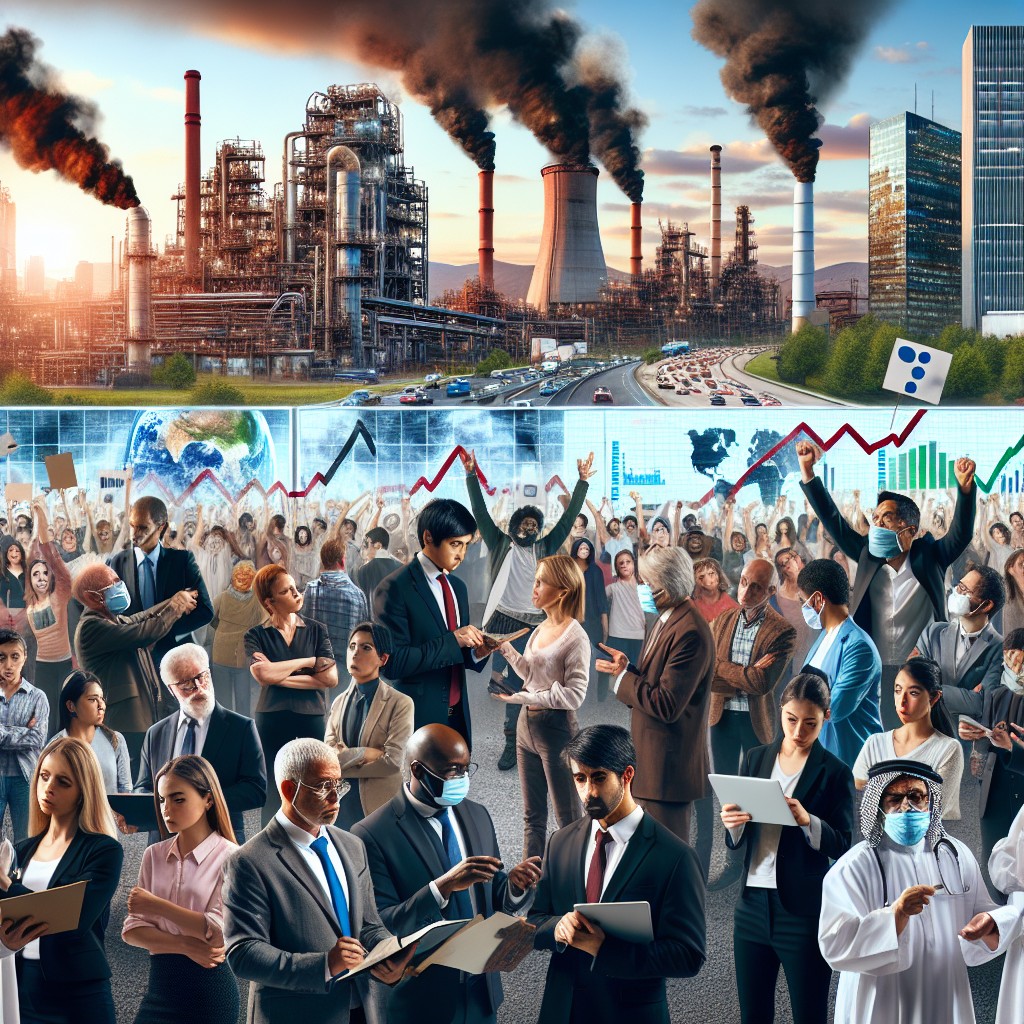
As climate scientists delve deeper into predictive models, unsettling projections for the year 2026 have emerged. Numerous experts are foreseeing significant changes in global weather patterns, raising concerns about the implications for societies worldwide. This Climate Analysis not only highlights the expected weather anomalies but also emphasizes the urgency for adaptive strategies to mitigate potential disasters.
Extreme Weather Conditions on the Horizon
The year 2026 is forecasted to experience unprecedented weather extremes, including extended heatwaves, severe floods, and intensified hurricanes. According to a comprehensive report from leading climate organizations, the average global temperature could increase by up to 2 degrees Celsius above pre-industrial levels. This shift is expected to provoke extreme weather conditions, straining resources and affecting human health.
Impact on Agriculture and Food Security
One critical area that will be extensively affected by these extreme weather patterns is agriculture. Experts in climate analysis indicate that prolonged droughts and erratic rainfall will jeopardize crop yields. This could lead to significant food shortages in several regions, particularly in developing countries that rely heavily on predictable weather for farming. The forecasted climate conditions may compel farmers to adapt quickly, adopting more resilient agricultural practices to survive the looming crisis.
Global Response and Preparedness Measures
As the reality of these alarming predictions begins to sink in, governments and international bodies are urged to act decisively. The 2026 weather patterns are prompting discussions at the highest levels regarding climate resilience and emergency preparedness. Joint initiatives that include improved infrastructure, disaster response plans, and community education are paramount. This climate analysis stresses the need for immediate measures, drawing attention to the fact that comprehensive action can help mitigate the worst outcomes of climate change.
Frequently Asked Questions about Climate Analysis
What does the current climate analysis predict for 2026?
The current climate analysis predicts extreme weather conditions, including increased heatwaves, severe storms, and significant rainfall anomalies for 2026.
How can communities prepare for the predicted weather patterns in 2026?
Communities can prepare by developing disaster response plans, investing in resilient infrastructure, and increasing awareness about climate change effects as indicated in climate analysis reports.
Are the predicted changes reversible according to climate analysis?
The changes predicted by climate analysis in 2026 are not reversible; however, reducing greenhouse gas emissions can help mitigate future impacts.
What role do governments play in adapting to the 2026 climate predictions?
Governments play a crucial role by implementing policies that promote sustainability and resilience based on the findings from climate analysis.
How can individuals contribute to mitigating the effects of climate change?
Individuals can contribute by adopting sustainable practices, reducing waste, and supporting policies driven by climate analysis to tackle climate change.