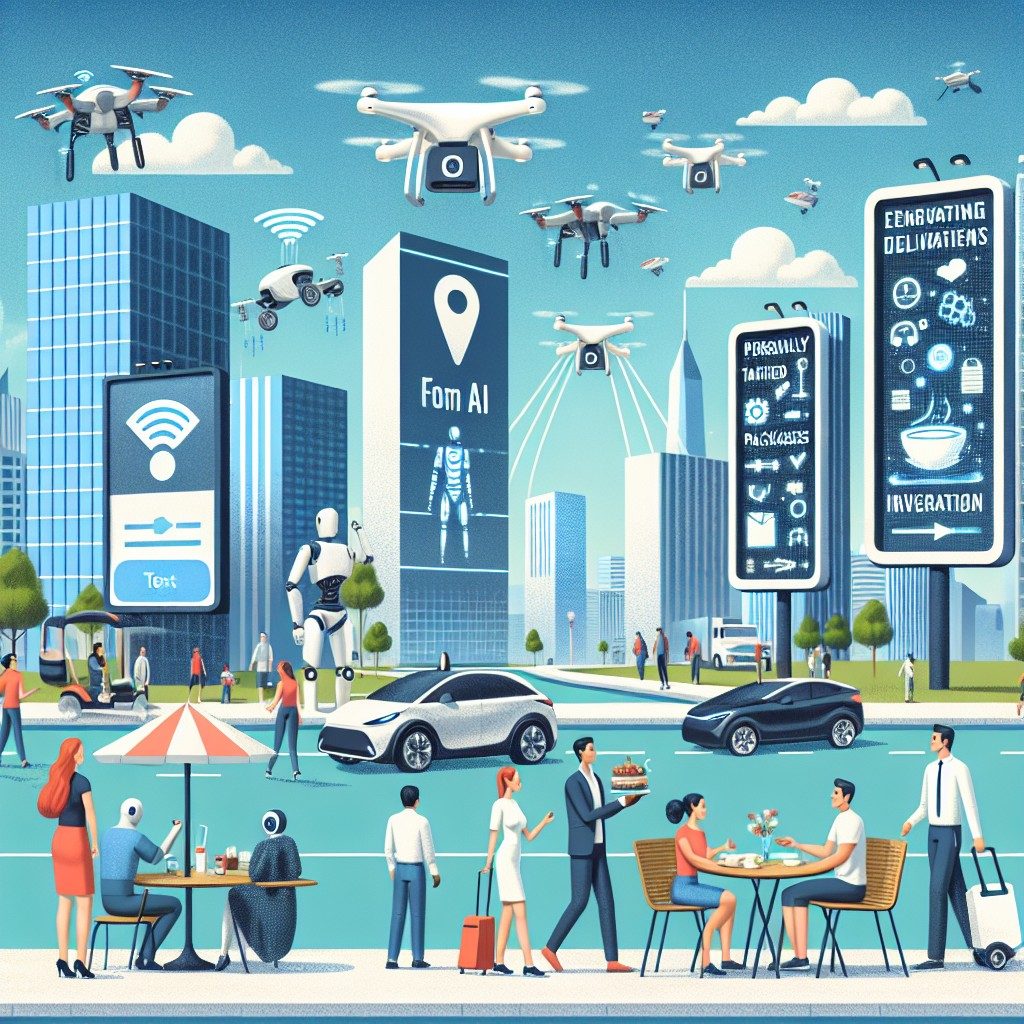
As the landscape of technology continues to evolve, artificial intelligence (AI) is projected to play an increasingly pivotal role in everyday life by 2026. With significant advancements in algorithms and machine learning, various sectors will witness transformative changes driven by AI Trends that enhance how we interact with technology daily.
The Integration of AI in Smart Homes
In 2026, one of the most significant AI Trends will be the seamless integration of artificial intelligence within smart home environments. Devices equipped with AI capabilities will learn user preferences and behaviors, allowing for personalized experiences. For instance, smart thermostats will not only adjust temperatures based on past preferences but will also predict future needs by using data patterns collected over time. Furthermore, home security systems powered by AI will utilize facial recognition technology to discern between family members and unfamiliar faces, automatically alerting homeowners of potential threats while minimizing false alarms.
AI’s Impact on Healthcare
AI Trends in healthcare are set to revolutionize patient care and administrative processes. By 2026, AI will significantly improve diagnostic accuracy as machine learning algorithms analyze medical images and patient data. These algorithms will offer healthcare providers insights that enhance decision-making, leading to quicker diagnoses and treatment plans tailored to individual patients. Additionally, AI-powered chatbots will become commonplace within healthcare systems, providing patients with immediate responses to inquiries and helping to triage symptoms before they consult with a healthcare professional.
The Future of Work with AI
The workplace is also undergoing a dramatic transformation due to AI Trends. By 2026, organizations will increasingly employ AI to automate routine tasks, allowing employees to focus on more strategic and creative endeavors. AI-driven analytics will empower managers with real-time data on employee performance and productivity, fostering a more responsive approach to workforce management. This shift will necessitate new training programs, as employees adapt to working alongside AI tools and learn to leverage these technologies for enhanced productivity.
Conclusion
The integration of artificial intelligence into daily life by 2026 is not merely a possibility; it is an impending reality marked by innovation and efficiency. As AI Trends continue to evolve, they will undoubtedly shape our homes, healthcare, and workplaces, providing individuals and businesses with unprecedented opportunities for improvement. The advancement of AI technologies presents challenges as well, necessitating robust discussions on ethics and privacy. Nonetheless, the trajectory suggests a future where AI enhances human capabilities in remarkable ways.
Frequently Asked Questions about AI Trends
What are the main AI Trends expected in 2026?
Some of the main AI Trends expected in 2026 include advancements in smart home technology, improvements in healthcare diagnostics, and increased automation in workplaces.
How will AI Trends affect everyday consumers?
AI Trends will enhance everyday consumer experiences, particularly through personalized smart home devices that learn user preferences and healthcare systems that provide more accurate diagnoses and faster services.
Will AI Trends lead to job displacement?
While AI Trends may automate certain tasks, they also create new job opportunities and roles focused on managing and working alongside AI technologies.
How is AI Trends reshaping healthcare?
AI Trends are reshaping healthcare by improving diagnostic accuracy, enabling personalized treatment plans, and streamlining administrative processes through automation.
What ethical considerations arise from AI Trends?
As AI Trends evolve, ethical considerations regarding data privacy, algorithmic bias, and the societal impacts of automation must be closely examined to ensure responsible use of technology.