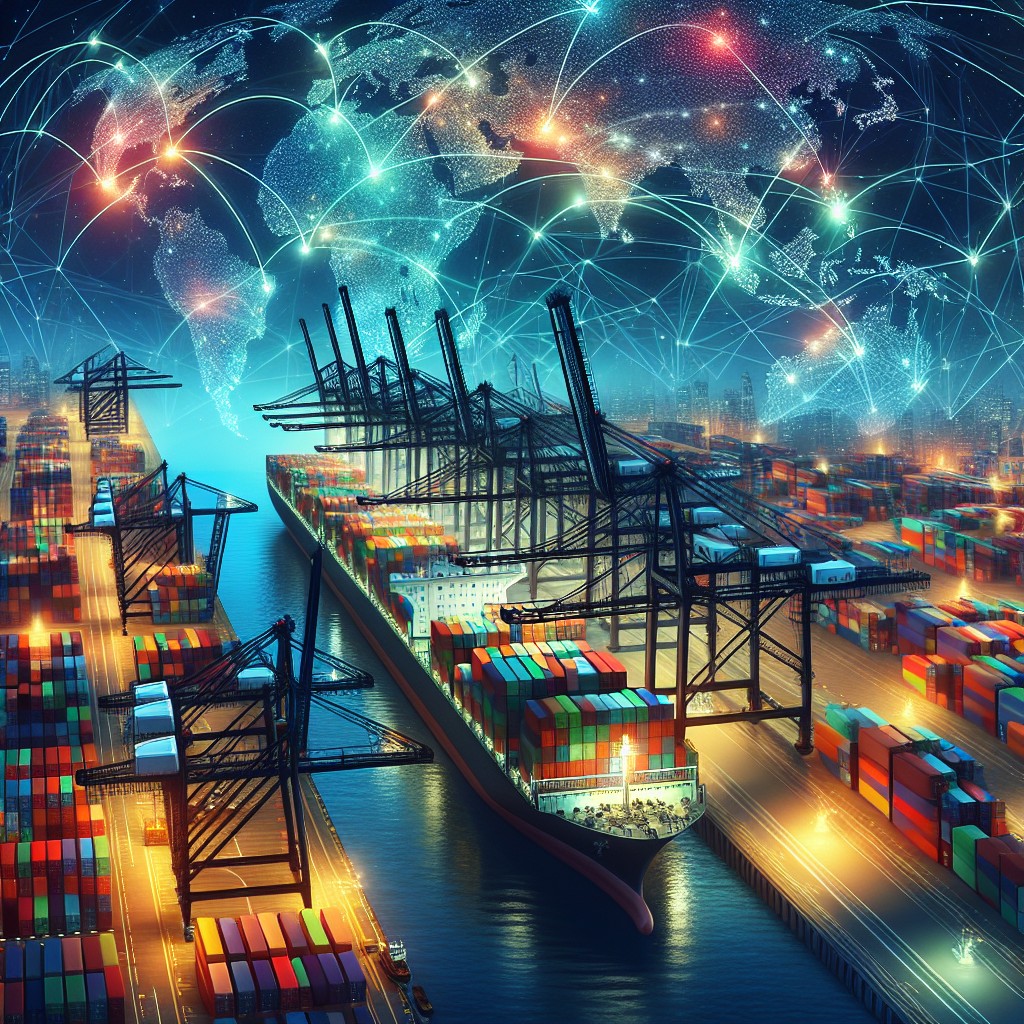
Global trade corridors are fundamental arteries of international commerce, enabling the movement of goods across continents and oceans. However, in recent years, these vital shipping lanes have faced increasing pressure from a range of economic, environmental, and geopolitical factors, prompting continuous redesigns and adjustments by stakeholders worldwide.
The growing demand for efficiency in global shipping lanes
The surge in global trade has intensified the need for more efficient shipping routes. As consumer demand rises and supply chains become more complex, businesses and governments seek to optimize trade corridors to reduce transit times and costs. This efficiency drive has led to modifications in traditional shipping paths and the exploration of alternative corridors to circumvent bottlenecks and congested ports. For instance, recent infrastructural investments focus on enhancing land-based corridors that connect major ports to inland distribution centers, easing pressure on maritime routes.
Impact of geopolitical tensions on trade corridors
Geopolitical tensions have significantly influenced the redesign of shipping corridors. Trade corridors often cross multiple territorial waters and economic zones, making them vulnerable to political disputes and sanctions. Regions such as the South China Sea, the Strait of Hormuz, and the Suez Canal have witnessed heightened security concerns and navigational uncertainties, compelling shipping companies to adjust their routes to avoid conflict zones. This dynamic necessitates ongoing flexibility and contingency planning within global supply chains.
Environmental challenges influencing redesigns
Environmental factors also exert pressure on trade corridors. Climate change has introduced variability in weather patterns, leading to increased occurrences of extreme weather events that disrupt shipping lanes. Melting Arctic ice, for example, is opening new northern sea routes, prompting some operators to reconsider long-established corridors. Conversely, stricter environmental regulations on emissions are impacting port operations and vessel designs, influencing the viability of certain shipping paths due to fuel availability and compliance requirements.
Technological advancements enabling corridor evolution
Advancements in shipping technology have facilitated the redesign of trade corridors. The adoption of digital navigation systems, real-time tracking, and automated ports enhances route planning and congestion management. These innovations support more responsive and adaptable corridors, enabling maritime and land transport networks to react efficiently to disruptions while optimizing cargo flows. Moreover, the development of larger container ships and improved intermodal transport options drives the reconsideration of existing corridor capacities and structures.
Economic implications and future outlook for trade corridors
The redesign of trade corridors carries significant economic implications. Changes in shipping lanes can alter trade balances and logistics costs, affecting regional economies and global markets. Investments in infrastructure aim to capitalize on emerging corridor options, while policy frameworks seek to stabilize and secure these routes. Looking ahead, the continuous evolution of trade corridors will likely be shaped by the balance between maximizing economic efficiency, ensuring geopolitical stability, and adhering to environmental mandates. Stakeholders must incorporate flexibility and resilience in corridor planning to sustain global trade flows effectively.
In summary, trade corridors remain under considerable pressure due to multifaceted challenges spanning efficiency demands, geopolitical uncertainties, environmental conditions, and technological changes. As a consequence, shipping lanes undergo frequent redesigns to adapt to these evolving factors. The ongoing transformation of trade corridors will be critical in shaping the future of global commerce and supply chain resilience.
Frequently Asked Questions about trade corridors
What are trade corridors and why are they important?
Trade corridors are the major routes used for transporting goods between regions and countries. They are important because they facilitate international trade by providing efficient pathways for shipping commodities, ultimately supporting economic activity and global supply chains.
How do geopolitical tensions affect trade corridors?
Geopolitical tensions can disrupt trade corridors by creating security risks, triggering sanctions, or causing access restrictions in certain waterways or ports. This leads to the rerouting of shipments and increased operational costs for shipping companies.
What environmental factors lead to the redesign of trade corridors?
Environmental factors like climate change, extreme weather events, and regulatory requirements on emissions impact the safety, availability, and efficiency of trade corridors. These challenges necessitate changes in routes and logistics to maintain smooth operations.
How is technology influencing changes in trade corridors?
Technological innovations improve navigation, cargo tracking, and port automation, which enable more adaptable and efficient trade corridors. Technology also supports the use of new routes that were previously less accessible or cost-effective.
What economic effects result from the redesign of trade corridors?
Redesigning trade corridors can affect shipping costs, transit times, and market accessibility, which in turn influence trade balances and regional economic development. Efficient trade corridors help lower expenses and enhance competitiveness.