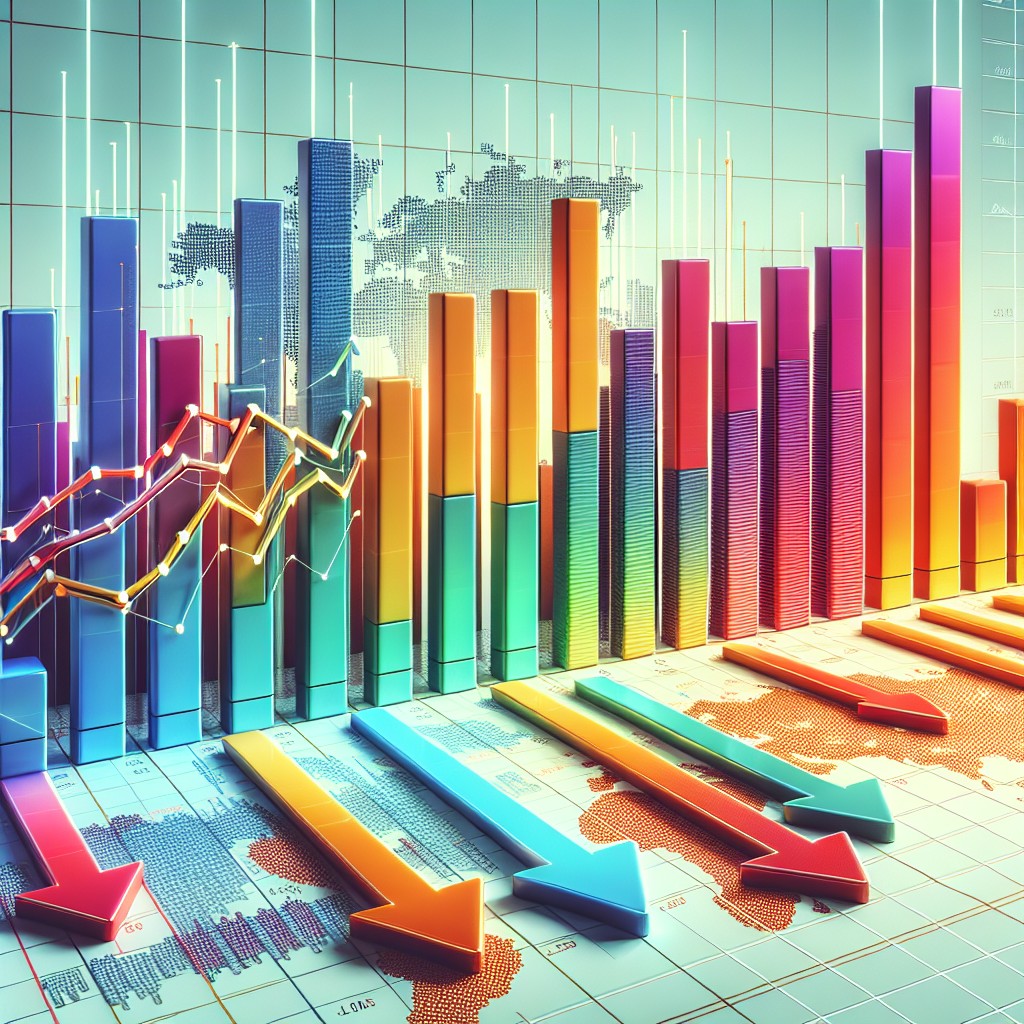
As we approach the mid-2020s, economic analysts are focusing their attention on the Price Forecast for 2026 amidst volatile inflation rates and shifting market dynamics. The interplay between consumer demand and central bank policies is expected to significantly influence pricing strategies and economic stability in the upcoming years.
Current Inflation Trends and Their Impact
The current inflation landscape is characterized by rising prices across a range of sectors, driven largely by supply chain disruptions and increased consumer demand. In 2022 and 2023, economies worldwide witnessed a sharp uptick in inflation, prompting central banks to reassess monetary policies. As a response, interest rates have been raised to curb spending. Experts project that these inflationary pressures will continue to reverberate into 2026, shaping the Price Forecast for various goods and services.
Market Dynamics and Consumer Behavior
Consumer behavior plays a pivotal role in determining market trends and consequently, the Price Forecast. The pandemic has altered purchasing habits, with an increase in online shopping and a demand for sustainable products. As the economy stabilizes post-pandemic, the likelihood of consumers resuming pre-pandemic spending patterns seems plausible. However, should inflation remain high, consumers may adjust their expenditures, leading to a fluctuating market that can significantly impact prices. Analysts suggest that depending on consumer reactions, the projected price increases in certain sectors could either stabilize or escalate dramatically.
The Role of Central Banks in Price Stability
The role of central banks in maintaining price stability cannot be overstated. In the coming years, it is anticipated that monetary policy will continue to be a fundamental aspect of economic management. With a keen focus on inflation targets, central banks may implement further rate adjustments that aim to balance economic growth with price stability. The effectiveness of these measures will heavily influence the Price Forecast and will be crucial for achieving sustainable economic health. Experts emphasize that watching the decisions made by institutions like the Federal Reserve will provide insights into future market trends and inflation expectations.
Conclusion
In conclusion, the Price Forecast for 2026 remains a dynamic interplay of inflation rates, market demand, and central bank policies. Analysts suggest that continued observation of economic indicators, consumer behavior, and policy shifts will be essential for accurate predictions. As inflationary pressures persist, stakeholders will need to adapt and strategize accordingly to navigate the challenges ahead.
Frequently Asked Questions about Price Forecast
What factors influence the Price Forecast for 2026?
The Price Forecast for 2026 is influenced by inflation rates, consumer behavior, and central bank monetary policies.
How does inflation impact the Price Forecast?
Inflation directly affects the Price Forecast by altering the buying power of consumers and influencing production costs.
Can consumer behavior change the Price Forecast significantly?
Yes, shifts in consumer behavior, such as preferences towards sustainability, can significantly affect the Price Forecast.
What role do central banks play in shaping the Price Forecast?
Central banks influence the Price Forecast through monetary policy adjustments aimed at maintaining economic stability and controlling inflation.
Why is the Price Forecast important for businesses?
The Price Forecast is crucial for businesses as it helps them make informed decisions regarding pricing strategies, budgeting, and financial planning.