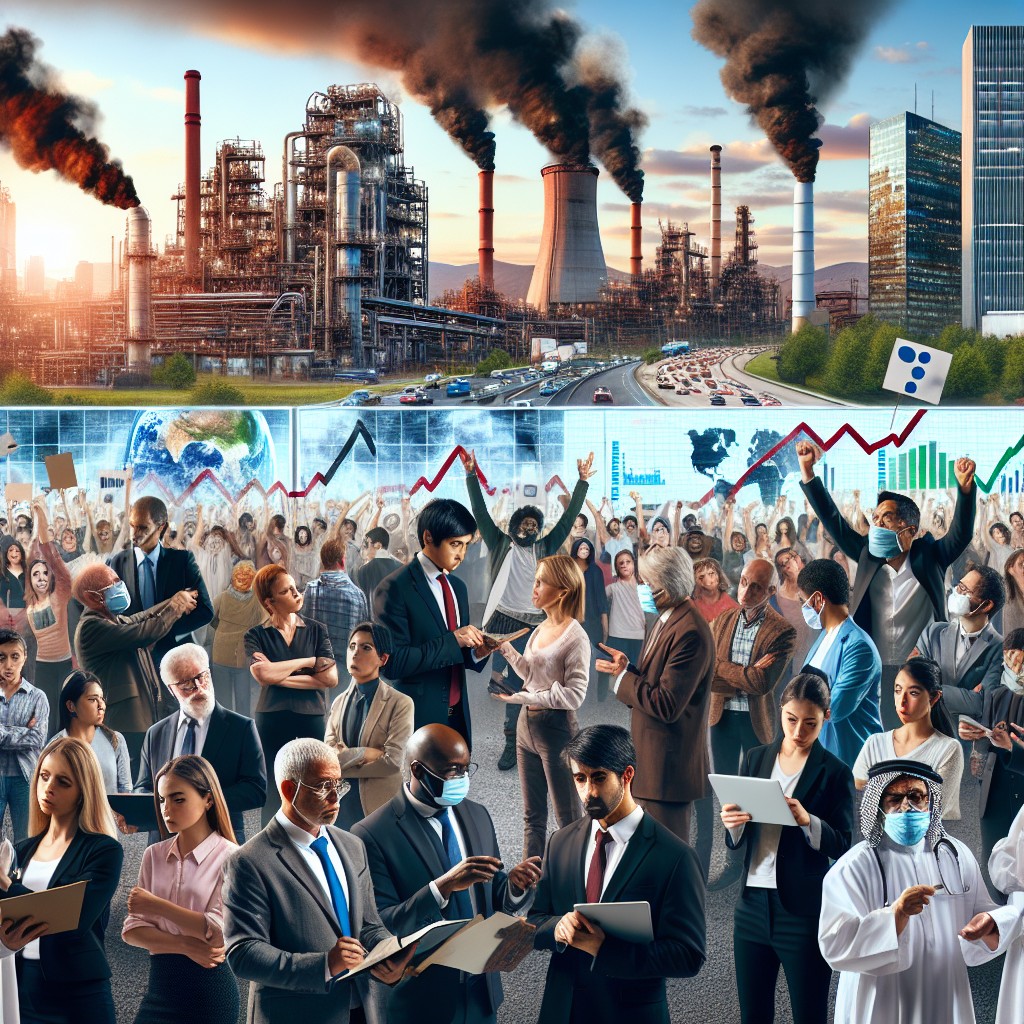
Climate litigation has become a powerful tool influencing global policy and reshaping corporate strategies amid growing concerns over environmental accountability. Around the world, legal actions aimed at addressing climate change are increasing, reflecting a shift in how stakeholders hold governments and companies responsible for their role in the climate crisis.
The Growing Trend of Climate Litigation
In recent years, climate litigation has surged as activists, communities, and investors pursue legal avenues to compel governments and corporations toward stronger climate action. Courts in multiple countries are hearing cases that challenge the adequacy of climate policies and corporate emissions disclosures. This growth is partly fueled by the increasing availability of scientific evidence linking greenhouse gas emissions to environmental harm and the urgent international climate commitments outlined in agreements like the Paris Accord.
Impact on Government Climate Policies
Legal cases targeting public authorities have pressured governments to enhance their environmental policies, raising standards for emissions reductions and adaptation measures. Courts have ruled that some governments’ climate plans are insufficient to meet their legally binding targets, requiring revisions that better align with scientific recommendations. This judicial oversight acts as a check on political inertia, pushing policymakers to adopt more ambitious and enforceable climate strategies. In some instances, litigation has expedited the establishment of regulatory frameworks and increased transparency in environmental decision-making processes.
Corporate Strategy Shifts Driven by Litigation Risk
Private sector entities face rising risks from climate litigation, prompting many corporations to reconsider their business models. Lawsuits often focus on companies’ failure to disclose climate-related risks adequately or challenges to projects that contribute significantly to emissions. In response, corporations are integrating sustainability into their core strategies, increasing investment in renewable energy, and enhancing reporting standards to mitigate reputational and financial risks. Legal challenges also encourage industries to innovate and adopt cleaner technologies to avoid future liabilities.
Legal Precedents Shaping Future Climate Action
The outcomes of climate litigation cases are creating important legal precedents. Courts worldwide are recognizing environmental rights as fundamental and establishing clearer duties for governments and companies to act responsibly. These rulings often hinge on constitutional and human rights arguments, which broaden the legal basis for demanding accountability. As rulings accumulate, they contribute to a more predictable legal environment forcing proactive compliance with climate objectives, thereby accelerating the global transition to low-carbon economies.
International Cooperation and Judicial Collaboration
Addressing climate change through litigation also highlights the need for international judicial cooperation. Climate issues transcend borders, and legal decisions in one country can influence policies elsewhere. Global organizations and networks of judges are increasingly sharing knowledge and best practices to harmonize approaches to climate-related cases. This international dimension of climate litigation enhances pressure on multinational corporations and fosters more consistent enforcement of environmental laws worldwide, contributing to a more integrated global climate governance framework.
Conclusion
The rise of climate litigation is fundamentally altering the landscape of environmental governance. By holding governments and corporations accountable, it drives stronger policies and encourages strategic shifts toward sustainability. While challenges remain in ensuring equitable and effective outcomes, climate litigation is set to remain a critical mechanism in the broader effort to combat climate change and promote transparent, responsible action at all levels.
Frequently Asked Questions about climate litigation
What is climate litigation?
Climate litigation refers to legal actions aimed at enforcing or challenging laws and policies related to climate change, often involving cases brought against governments or corporations to compel stronger climate action or accountability.
How does climate litigation affect government policies?
Climate litigation can pressure governments to improve their climate policies by requiring adherence to scientific standards and international agreements, leading to more ambitious and enforceable measures.
Why are corporations concerned about climate litigation?
Corporations face risks from climate litigation due to potential liabilities linked to environmental harm, failure to disclose climate risks, or involvement in projects with significant emissions, prompting changes in their business strategies.
Can climate litigation create legal precedents?
Yes, climate litigation often results in rulings that establish important legal precedents, defining governments’ and companies’ responsibilities regarding climate change and guiding future legal actions and policy development.
Is climate litigation a global phenomenon?
Climate litigation is increasingly global, with courts in multiple countries hearing cases and international cooperation among judicial bodies helping to harmonize approaches to environmental accountability and enforcement.